



LIGHTS, CAMERA, CENTRAL PARK: A WALK THROUGH NYC’S MOST ICONIC FILMING LOCATION
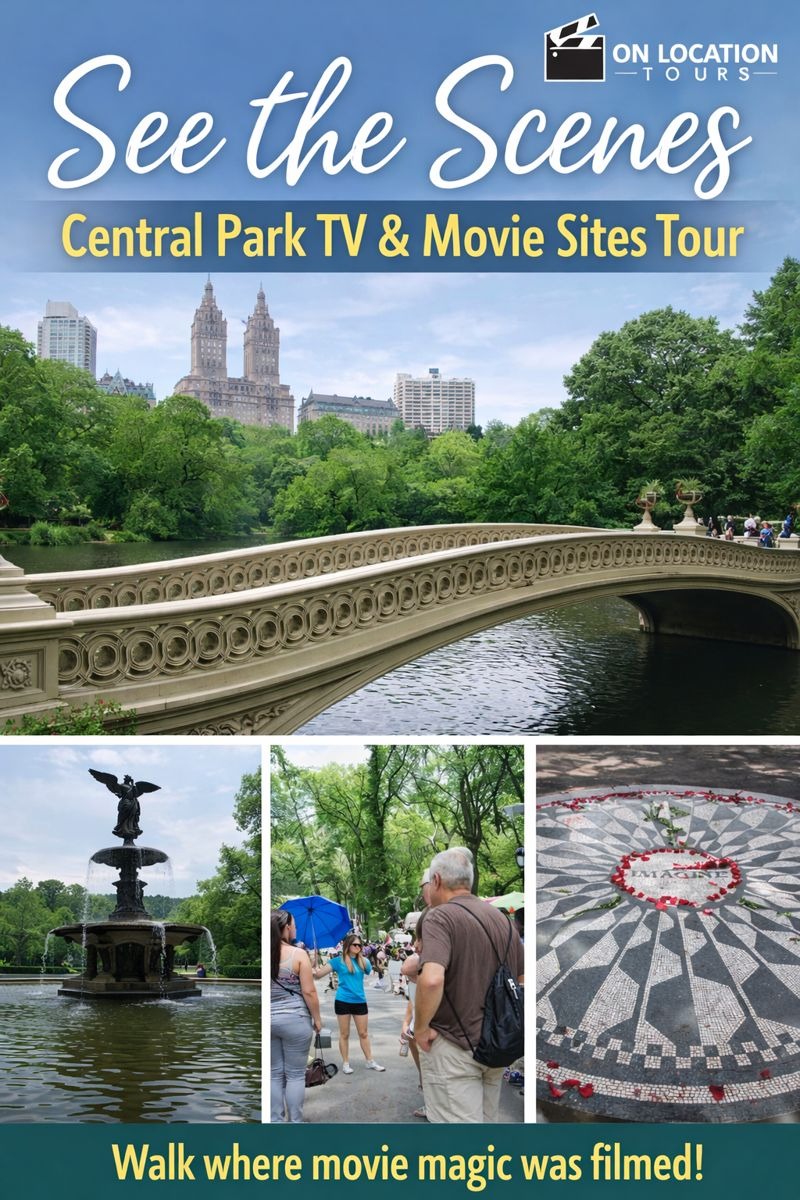
Central Park TV & Movie Sites Tour
When it comes to on screen fame, no New York City landmark rivals Central Park. With its winding paths, storybook bridges, sweeping lawns, and skyline framed views, the park is not just the city’s backyard. It is a living, breathing movie set. Over the decades, Central Park has played everything from a romantic escape to a chaotic comedy playground, from quiet reflection to full scale cinematic spectacle. If you have ever watched a movie or TV show set in New York, chances are Central Park was part of the story.
That is exactly what makes the Central Park TV & Movie Sites Tour so special. This guided experience takes you deep into the heart of the park to see the real locations used in some of the most iconic scenes ever filmed in New York City. Instead of simply walking through Central Park, you experience it through a cinematic lens, one scene, one story, and one unforgettable moment at a time.
Why Central Park Is a Hollywood Favorite
Filmmakers return to Central Park again and again for one simple reason: versatility. Within its 843 acres, the park can transform into almost anything a script demands. A tree lined path can feel like a quiet suburban escape. A bridge can become the most romantic spot in the city. A wide open lawn can host comedy, chaos, or emotional revelations. It offers fountains, wooded areas, promenades, and instantly recognizable landmarks, all within walking distance.
That flexibility has made Central Park a go to location for generations of filmmakers. On this tour, guests visit more than 30 filming locations featured in beloved movies and TV shows, each chosen not just for how it looks, but for how it helps tell a story audiences instantly connect with.
Comedy, Chaos, and Classic NYC Humor
One of the most memorable uses of Central Park comes from Home Alone 2: Lost in New York, which turns the park into a stage for full blown comedic chaos. Kevin McCallister’s nighttime wanderings are funny because they completely flip expectations. He thinks he is confident, independent, and totally in control until Central Park suddenly feels enormous, dark, and unpredictable.
The humor peaks during his infamous run ins with the pigeons. What starts as a quiet, eerie moment explodes into slapstick panic as birds burst into the air from every direction. One second Kevin is a savvy city kid, the next he is sprinting in terror. It is classic physical comedy built on contrast: a tiny kid, a massive city, and reactions that are far bigger than the situation itself.
Central Park has also delivered comedy through character contrast rather than chaos. In Elf, Buddy the Elf treats the park like a winter wonderland straight out of the North Pole. His unfiltered joy running, marveling at the snow, and embracing winter like a giant playground collides hilariously with unimpressed New Yorkers just trying to get through their day. The laughs come from watching Buddy’s oversized enthusiasm play out in a place everyone else treats as completely ordinary.
Romance, Wit, and Everyday Humor
Not all Central Park comedy is loud or physical. In When Harry Met Sally, the park becomes the perfect setting for smart, observational humor. Harry and Sally’s walks through Central Park are filled with sharp banter, awkward pauses, and brutally honest conversations about relationships. The jokes land because they feel real, two people strolling through a familiar place, saying the kinds of funny, slightly uncomfortable things everyone thinks but rarely admits out loud.
Television leans into that same naturalism. Shows like Gossip Girl use Central Park as a place where drama unfolds casually, where characters walk, talk, argue, and reveal secrets in a space that feels unmistakably New York. The park grounds even the most glamorous characters in a real, shared environment, making the moments feel more immediate and relatable.